

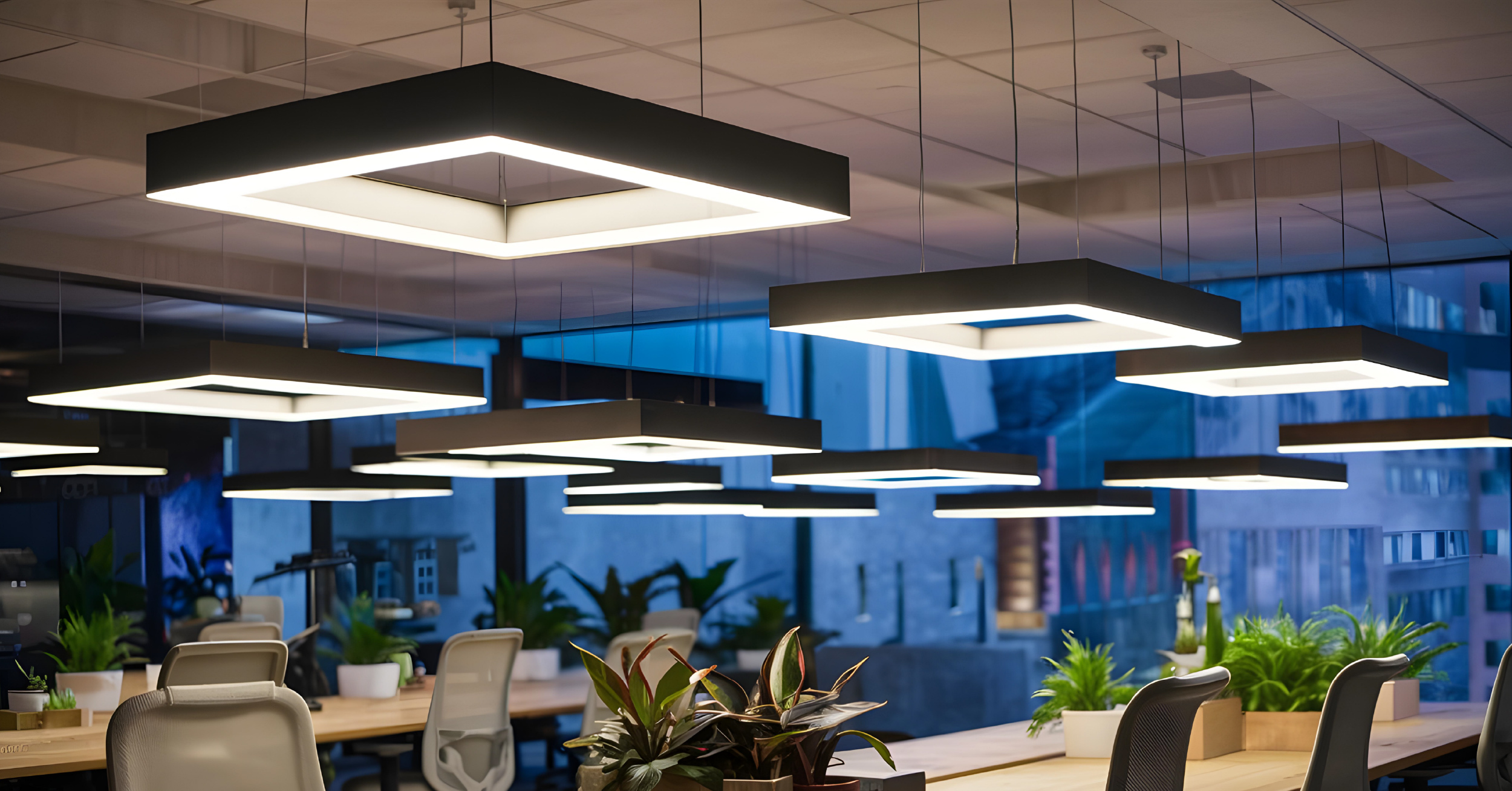
The Future of Innovative Smart Lighting For Offices & Homes
The Internet of Things (IoT) has made a substantial difference in how we utilise lighting. At first, IoT was primarily used for managing home devices, but now it has assisted in developing smart lighting systems. These lighting systems can connect easily with IoT technology, delivering numerous new advantages and features that people couldn’t even envision before.
Innovative Smart lighting is now very significant in workplaces because it assists in creating a better atmosphere for workers. Research displays that the type of lighting can greatly affect how people feel and how much they get done. Many modern offices are using a smart lighting network to make their workspaces better and keep their staff delighted and productive.
How It Works
Smart lighting utilises internet-connected tools like bulbs, detectors, and accessories that allow people to regulate and manage their lights from a tablet, smartphone or voice assistant. These are all instruments that are interconnected to the internet. Skylight system Lahore also assists in preserving energy by allowing people to regulate when and how bright the lights are, besides making it easier and more convenient for users. Whether a room is occupied, how much natural light is present, and the surrounding environment, these networks can be modified automatically based on. These changes help us use less electricity and reduce costs.
Smart Office Lighting Technology
Human Centric Lighting
Lighting that sense like natural daylight is called human-centric lighting. It helps us work better, feel more comfortable, remain healthier, and sense better generally by endorsing our body’s natural processes. Light also affects our bodies in significant ways besides, it not only assists us in seeing things clearly, like brightness, shapes, colours, and images. For instance, it can assess
How vigilant we feel
Leverage our hormones
How weary we get
Our ability to concentrate.
Moreover, it plays a function in natural rhythm and our body clock that assists us in sleeping and waking up at the right times.
Human-centric lighting counts all these factors to give a full and determined way of lighting that works well for people. It focuses on balancing how lighting influence what we see, how we feel, and our body’s natural rhythms in diverse situations.
Li-Fi
Li-Fi works by transferring data through the modification of the brightness of light. A unique human-centric lighting provider picks up this light signal and transforms it into electrical signals. People can’t see the light changes as they happen so quickly and subtly. This evolved innovation can be utilised inside buildings, outside, and even in spots with low light.
Commercial spaces are enhancing their internet version by utilising smart LED lights that work with Li-Fi setups, allowing for fast, two-way, and wireless data transfer.
Power of Ethernet
Power over Ethernet (PoE) lighting is an innovation that interconnects, monitors, and regulates LED lights in smart buildings. Utilising this smart lighting network assists in lowering installation and managing expenses by more than 50%. This permits commercial spaces to better endorse their workers’ well-being and stay environmentally friendly.
One pleasant thing about PoE systems is that they connect electrical and communication networks into one setup. Like a minimal effect on the atmosphere compared to older lighting kinds, since utilising low-voltage DC-powered LED lights has multiple advantages. You can tailor the brightness and colour of the lights to suit your requirements, as these lights also have a detector that detects daylight.
A Detailed Oriented & Futuristic Approach To Offices
Connected systems permit distinctive technologies to work together to make smart lighting formation. Utilising PoE technology, ordinary office lamps can be linked and turned into HCL systems. Right now, the most common tech applied is a motion detector, which makes connected lighting systems better. When these detectors are part of smart lighting, they can describe if someone is in a room or moving around. This allow the lighting system to switch on or off automatically based on whether someone is there, which saves a lot of energy by stopping lights from running when no one is around. Adding a motion detector with smart lighting also creates features like custom lighting choices and set lighting times. For example, the system can learn when people are normally in a space and change the lighting settings to fit those habits, making the lighting experience more expressive and suited to individual likes.
Lighting systems today are much more than just a means to illuminate a room. They can now collect significant information about how people utilise them. Smart lighting can adjust and generate spaces that are better suited to the requirements of the people who utilise them with this data. These enhancements assist in making work areas healthier, safer, and more effective for everyone who is there.
Data Collection
Smart office lights that are connected together and have sensors and internet connection can gather data about how they are utilised. They contain data
How full is the space?
What kind of lighting do people prefer
When they utilise the lights
When they adjust the controls
The system keeps contain and looks at this information to know how the workspace is being utilised and how the lighting affects how people feel and work.
Improving Productivity
Having sufficient light is significant for making work more productive. A wise lighting network can give people the chance to utilise glow and behaviour to tailor the lighting in the best way. Making the working area less disturbing, lighting assists in reducing eye pressure and enhancing concentration. The lighting can change automatically based on the task being done, creating a better environment for working efficiently.
Final Thoughts
In workspaces, a smart lighting network can assist in making things safer. These networks utilise motion detectors to understand when someone is there and then tailor the lights based on that. Therefore, lights are only on when needed, saving energy and aiding people to see better. The lights can be programmed to display the route to escape or secure areas if there is an emergency. This assists people in getting out swiftly and reduces the chance of accidents, making the place safer.



Leave a Reply