


How Premium Lighting Design Adds Value to Commercial Spaces?
Modern commercial architecture is no longer defined only by structure, materials, or interior layout. Lighting has become a major design element that directly influences how a space is perceived, experienced, and valued.
Businesses today invest in lighting not just for visibility, but to shape identity, improve functionality, and enhance emotional impact. Premium lighting design turns ordinary buildings into visually engaging and high-performing environments that attract customers, improve employee well-being, and strengthen brand presence.
In competitive commercial markets such as retail, hospitality, and corporate real estate, lighting is often the silent factor that determines whether a space feels average or exceptional. At LEDOS, we have designed this guide to help you understand how premium lighting ads actually add value to commercial spaces so read more.
What Is Premium Lighting Design in Commercial Spaces?
Premium lighting design refers to a strategic approach where illumination is carefully planned to enhance architecture, user experience, and functionality. It goes beyond basic brightness and focuses on layering light, combining ambient, task, and accent lighting to create depth and visual balance.
Unlike standard setups that simply ensure visibility, premium lighting considers how people interact with space at different times of day. Designers also integrate technologies like dimming systems, color temperature control, and energy-efficient solutions to optimize performance and aesthetics.
How Lighting Shapes Brand Identity and First Impressions?
The first impression of any commercial space is often formed within seconds, and lighting plays a major role in that judgment. A well-lit entrance or lobby immediately shows professionalism, trust, and attention to detail.
For example, retail stores use lighting to highlight products and guide customer attention, while corporate offices use it to create a sense of authority and structure. Hospitality spaces rely on lighting to create warmth and emotional comfort.
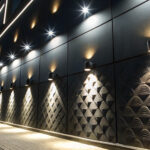
One of the most impactful techniques in modern architecture is facade lighting, which enhances the exterior appearance of buildings at night. It helps businesses stand out in urban environments, turning structures into recognizable landmarks that reflect brand identity and prestige.
Enhancing Customer Experience Through Atmospheric Design
Lighting significantly affects how customers feel inside a commercial space. Bright, balanced, and strategically placed lighting encourages people to stay longer, explore more, and engage with products or services.
Retail environments often use warm lighting to create comfort, while luxury brands prefer focused, high-contrast lighting to highlight exclusivity. Restaurants and hotels use layered lighting to create emotional ambiance that enhances customer satisfaction.
At LEDOs, we believe that a key modern innovation is the use of artificial skylight systems, which replicate natural daylight in indoor environments. This technology is especially valuable in commercial buildings without access to natural light, as it improves mood, reduces fatigue, and makes interiors feel more open and natural.
Enhancing Employee Productivity and Workplace Efficiency
Lighting is equally important for employees as it is for customers. Poor lighting can lead to eye strain, fatigue, and reduced concentration, while well-designed systems improve alertness and productivity.
Workspaces that use balanced illumination with proper color temperature create a healthier working environment. Studies show that employees perform better in environments that mimic natural daylight patterns, helping regulate energy levels throughout the day.
The adoption of LED Lighting has significantly improved workplace environments by offering consistent brightness, reduced heat emission, and lower energy consumption. These systems also allow businesses to customize lighting intensity depending on tasks, improving both comfort and efficiency.
Energy Efficiency and Long-Term Cost Savings
One of the major advantages of modern lighting systems is energy efficiency. Businesses can significantly reduce operational costs by upgrading to smart lighting solutions that consume less energy and last longer.
LED-based systems are particularly effective because they require minimal maintenance and have a much longer lifespan compared to traditional lighting. Automated controls such as motion sensors and daylight harvesting systems further optimize energy use by adjusting brightness based on occupancy and natural light availability.
Over time, these efficiencies result in substantial cost savings, making premium lighting a financially strategic investment rather than just a design upgrade.
Lighting as a Tool for Architectural Enhancement
Lighting is not only functional but also architectural. It highlights textures, materials, and structural elements that might otherwise go unnoticed. Designers use lighting to emphasize key visual features such as walls, ceilings, columns, and pathways.
In commercial buildings, this approach enhances spatial perception, making interiors feel larger, cleaner, and more organized. Accent lighting can draw attention to branding elements, while ambient lighting ensures overall visual comfort.
By carefully balancing these techniques, lighting becomes an integral part of architectural storytelling, shaping how a space is experienced both visually and emotionally.
Smart Lighting and Technological Integration
Modern commercial lighting systems are increasingly integrated with smart technology. These systems allow businesses to control lighting remotely, automate schedules, and adjust brightness based on occupancy or time of day.
Smart lighting improves efficiency by reducing unnecessary energy usage and allowing real-time adjustments. It also enhances user experience by adapting to different functions, such as meetings, presentations, or customer interactions.
With the rise of IoT-enabled systems, lighting has become a dynamic and responsive component of building management rather than a static utility.
Return on Investment of Premium Lighting Design
Investing in premium lighting delivers long-term returns that extend beyond aesthetics. Well-lit commercial spaces attract more customers, increase engagement, and improve brand perception.
For property owners, enhanced lighting can increase asset value and rental appeal. For businesses, it can lead to higher sales conversion rates and improved employee performance.
Unlike many upgrades that decline over time, lighting improvements continue to deliver value through energy savings, reduced maintenance costs, and stronger customer experiences.
Get Your Premium Lighting Design at LEDOS
Premium lighting design is a strong yet often underestimated factor in commercial success. It influences how people perceive spaces, how long they stay, and how effectively they interact within them. From enhancing architecture to improving productivity and reducing costs, lighting plays a multi-dimensional role in shaping modern commercial environments.
So, if you are planning to invest in lighting strategies then get in touch with us. We will help you make your spaces look visually striking, functional, efficient, and also emotionally engaging.


Leave a Reply