

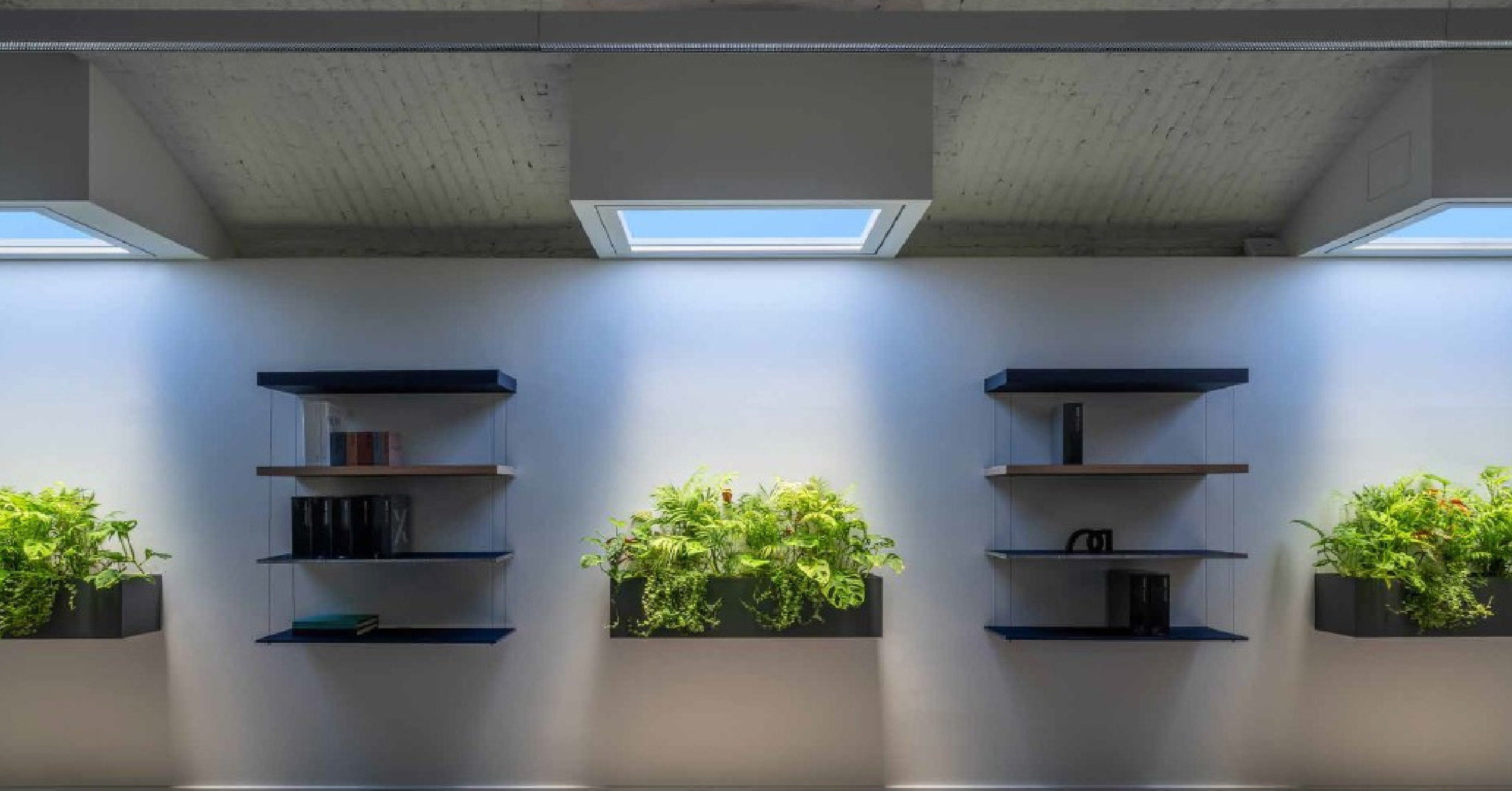
Top 7 Ways How Virtual Sky Ceiling Transform Indoor Spaces with Realistic Daylight Solutions
Lighting plays a major role in how indoor spaces are experienced. In many modern buildings, access to natural daylight is limited due to structural constraints, dense urban planning, or interior layouts. This often results in spaces that feel enclosed, visually flat, and less engaging.
A virtual sky ceiling offers a practical and design-forward solution to this challenge. By replicating the visual effect of open skies, it introduces brightness, depth, and a sense of openness into enclosed environments. Unlike conventional fixtures, it focuses on delivering a more natural and immersive lighting experience.
To understand how the virtual sky ceiling changes your indoor spaces in different ways, read this blog. This blog explores seven ways virtual sky ceiling systems transform indoor spaces using realistic daylight solutions.
What Is a Virtual Sky Ceiling and How Does It Work?
A virtual sky ceiling is an advanced lighting system designed to replicate the appearance of natural daylight through ceiling installations. It combines high-quality LED panels, sky imagery, and optical diffusion techniques to create a realistic illusion of depth and openness.
In the early stages of adoption, these systems were primarily seen as design enhancements. However, with advancements in artificial skylights, they now serve a functional purpose as well. They bring consistent, natural-looking light into spaces where traditional skylights are not possible.
1. Creates a Natural Daylight Experience Indoors
A key advantage of a virtual sky ceiling is its ability to replicate natural daylight in enclosed environments. The lighting appears soft, evenly distributed, and visually similar to an open sky.
The technology behind this setup relies heavily on daylight simulation, which ensures that light distribution mimics real daylight conditions rather than producing flat or harsh illumination. This makes the environment more visually comfortable and balanced.
This effect reduces the dependence on artificial lighting that often feels harsh or uneven. Instead, the space benefits from a consistent light quality that enhances visibility without causing discomfort.
Such environments are particularly valuable in areas where windows are limited or non-existent, including basements, corridors, and interior rooms.
2. Improves Mood and Mental Well-Being
Lighting directly influences how people feel within a space. Environments with poor lighting can lead to fatigue, discomfort, and reduced engagement over time.
From a design perspective, virtual sky ceilings also align with human centric lighting principles. This means the lighting is tailored to support human comfort, visual clarity, and overall indoor experience, rather than simply meeting brightness requirements.
By introducing a sky-like visual element, virtual sky ceilings create a more calming and open atmosphere. This helps reduce the sense of confinement that is common in closed indoor spaces.
In professional and healthcare environments, this improvement in visual comfort can contribute to a more positive overall experience for both occupants and visitors.
3. Enhances Productivity and Focus in Work Environments
Workspaces require lighting that supports focus and reduces visual strain. Traditional lighting systems often fail to provide the balance needed for long working hours.
A virtual sky ceiling offers a more natural lighting environment, which can help maintain attention levels and reduce fatigue. The evenly distributed light minimizes glare and shadows, making it easier to work comfortably.
This makes it a practical solution for offices, co-working spaces, and study environments where performance and concentration are critical.
4. Enhances Interior Design with an Aesthetic Feel
Ceilings are often overlooked in interior design, yet they play a major role in defining how a space feels. A virtual sky ceiling transforms this surface into a visual focal point.
By introducing depth and a sky-like appearance, it enhances the overall aesthetic of the space. This creates a more refined and modern look without requiring major structural changes.
For commercial spaces such as retail outlets and showrooms, this visual upgrade can also contribute to a more engaging customer experience.
5. Transforms Healthcare and Wellness Spaces
Healthcare environments require a balance between functionality and comfort. Patients often spend long hours indoors, which can increase stress levels in poorly lit spaces.
Virtual sky ceilings help create a more calming atmosphere by simulating open skies. This can make clinical environments feel less intimidating and more welcoming.
In wellness spaces such as spas and therapy centers, this lighting approach enhances relaxation and supports a more soothing environment.
6. Makes Small or Windowless Spaces Feel Larger
One of the most practical benefits of a virtual sky ceiling is its ability to create a sense of openness. The illusion of looking up at the sky adds visual depth to the space.
This effect can make smaller rooms feel less confined and more spacious. It is particularly useful in areas with low ceilings or limited natural light.
By improving spatial perception, the overall user experience of the environment is significantly enhanced.
7. Offers Energy-Efficient and Low-Maintenance Lighting
Modern virtual sky ceiling systems are built using energy-efficient LED technology. This ensures lower power consumption compared to traditional lighting solutions.
In addition to energy savings, these systems also require minimal maintenance due to their long operational lifespan. This makes them a cost-effective solution over time.
For both commercial and residential applications, this combination of efficiency and durability adds to their long-term value.
Key Applications of Virtual Sky Ceiling
Virtual sky ceilings are versatile and can be applied across multiple environments:
Offices and corporate spaces for improved productivity
Healthcare facilities for patient comfort
Retail stores to enhance customer experience
Residential interiors for modern living spaces
Hospitality settings such as hotels and spas
Factors to Consider Before Installation
Before installing a virtual sky ceiling, it is important to evaluate a few key factors:
Ceiling structure and available space
Desired lighting intensity and customization
Budget and long-term return on investment
Expertise of the installation provider
Careful planning ensures that the system delivers both functional and aesthetic benefits.
Transform Your Indoor Spaces with LEDOS
If your indoor space lacks natural light, a virtual sky ceiling offers a practical way to improve both design and comfort. Whether for commercial or residential use, it provides a reliable solution for creating brighter, more engaging environments.
At LEDOS, we offer tailored virtual sky ceiling options to transform your space with realistic daylight solutions designed for modern needs. Get in touch with us for complete commercial and residential lighting solutions.
FAQs
What is a virtual sky ceiling?
A virtual sky ceiling is an advanced lighting system that mimics natural daylight using LED panels and sky visuals to create a realistic overhead sky effect.
How do artificial skylights improve indoor spaces?
Artificial skylights enhance brightness and openness in enclosed areas by replicating natural light, making spaces feel larger and more comfortable.
Is daylight simulation better than traditional lighting?
Daylight simulation provides softer, more balanced illumination compared to harsh artificial lighting, improving visual comfort and reducing eye strain.
Where can human centric lighting solutions be used?
Human centric lighting is ideal for offices, hospitals, homes, and retail spaces where comfort, productivity, and well-being are important.

Leave a Reply